My husband has gone in and out of prison for drugs and other offences.
This has made our lives hell.
One that we can't seem to get out of.

His first brush with the law plunged the family into crisis.
It sparked challenges that lasted beyond his prison sentence, persisting long after the punishment for his crime had ended.
A repeat of the cycle of events.
Before the challenges could get resolved, he reoffended.
It brought more challenges that didn't end after his release.
Then he reoffended again, followed with more challenges.
We've had no respite nor seen an end in sight.
What do you think comes next?
Each time he broke the law, things got harder and our lives got worse.
We've lost almost everything: our house, money, jobs, qualifications and reputation.
We're left with our mind, body and freedom.
Our children too.
We could soon lose them all.
Here's why.
My husband's risk of reoffending goes up every year after his prison release.
By year 5, the risk is almost 50%.
1 in 2 prison releases reoffend.
Although our kids could beat him to it.
They are 5.18x more likely to offend than their peers and do so early in life.
With high reoffending and adult offending risks, going in and out of prison could become a lifelong affair for our kids.
Just as it has for their father.

Broken parent-child bonds cause behavioural challenges, susceptibility to gang memberships and early and risky sexual relationships.
Disrupted education affects academic prospects which translates to future career and economic disadvantage.
That's not all. Their hurdles are many.

Multiple physical illnesses could onset in youth, which portends many years in disability and shortened lifespans.
Early life adversity predicts major lifelong mental and physical health challenges.
Major depressive disorder, self-harm and suicide are constant threats.
With a future like that, what's there to look forward to?
The list goes on.

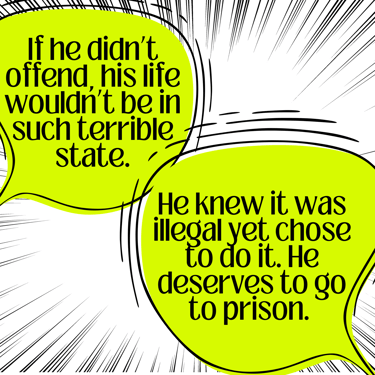
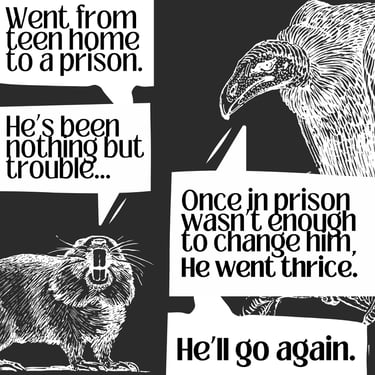
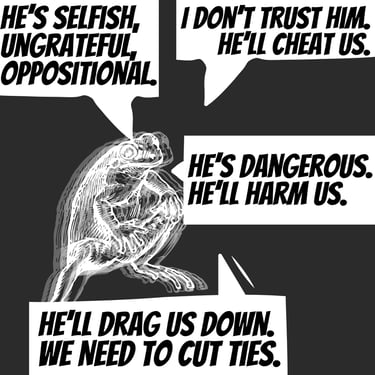
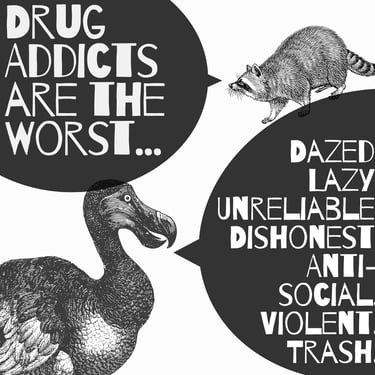
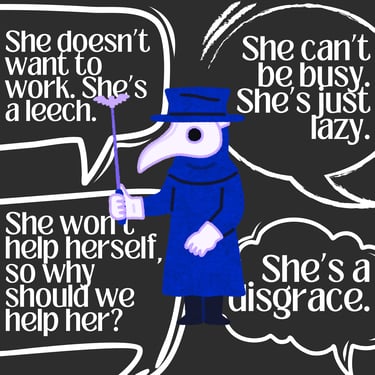
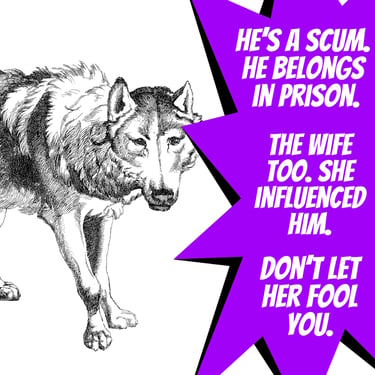
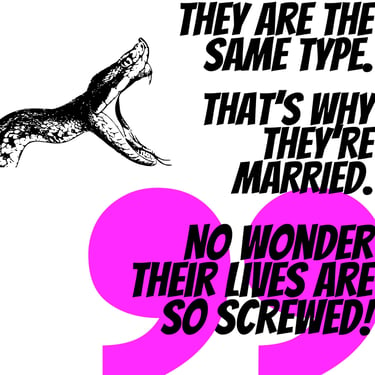
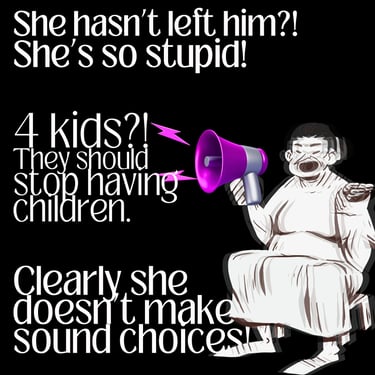
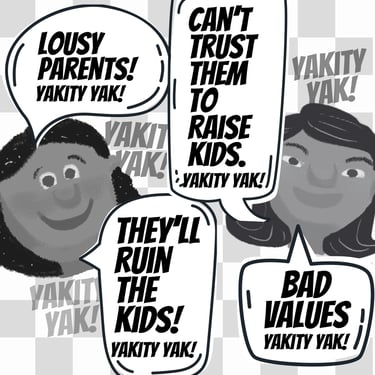
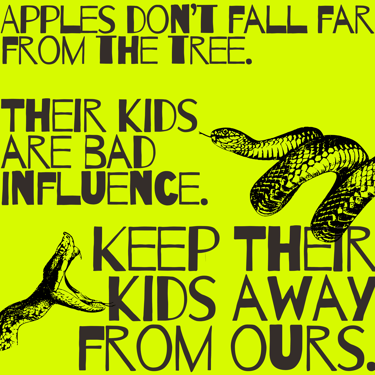
In the last 13 years, I've heard people who know about my husband's repeat offending, say things like:
I bet you wouldn't.
Getting support is tough when people think so badly of us.
Now that you know this much about us, would you help us or even just associate with us?
But how much of what they said is true?
You don't know but you'd rather trust them than take a chance with us. After all, my husband is a multiple repeat offender.
(If you want to know the truth, stick around).
I bet you wouldn't.
Getting support is tough when people think so badly of us.
You don't know but you'd rather trust them than take a chance with us. After all, my husband is a multiple repeat offender.
(If you want to know the truth, stick around).
I bet you wouldn't.
When a person gets onto the wrong side of the law, it is a matter that involves the family and closed ones. When arrested, the immediate kin are often the 1st line of aid, posting bail on his behalf. As the criminal case progresses, family members take up various tasks such as seeking legal resources, offering monetary aid, if not moral and emotional support. If he (she) is remanded or incarcerated, he becomes fully reliant on the family members to fulfil his needs on the inside and responsibilities on the outside.
After release from prison, family support eases his reintegration journey and increases the success rate of staying crime free. Inmates known to have strong family support are more likely to be considered for early release programs.
A supportive family is not just invaluable to the offender, but beneficial to the order of society in its ability to directly impact crime prevention.
As the family strives to remain as a pillar of support, they can hardly find support for themselves. The resources families of offenders can tap on are far and few, far from sufficient in addressing their needs while reaching out to their own networks can backfire, drawing criticisms and ostracism instead, adding on to their challenges. Therefore they tend to bear their burdens alone, staying mired in their predicament, which is bound to degenerate further without meaningful interventions.
For families of offenders, their work is no simple feat. Under immense stress and worry for their loved ones facing criminal proceedings, they attempt to alleviate his loved ones’ suffering, while coping with the sudden and drastic changes brought upon the family, forcing them to make adjustments to almost every aspect of their lives.
Families of offenders experience forced separation and broken attachments, increased roles and responsibilities, disrupted education and employment, reduced opportunities, and increased financial obligations and difficulties. Then there are challenges that are more specific to individual situations. Children whose parents are taken into custody have to adapt to new caregivers, potentially change of housing, adapting to new caregivers when parents are
With the often lengthy terms that the criminal process including custodial sentences are, the emotional, mental and physical toil upon them are substantial.
For the family of an offender, their work is no simple feat. Under immense stress and worry for their loved ones facing criminal proceedings, they do what they can to alleviate his suffering while coping with the sudden and drastic changes brought upon the family - forced separation and broken attachments, increased roles and responsibilities, disrupted education and employment, reduced opportunities, increased financial obligations and difficulties to name some. They must endure these circumstances for prolonged durations because legal proceedings are often protracted, involving periods in custody, subjecting them to significant mental, emotional, and physical toil.
The prosecution and incarceration of a criminal offender affect not just him/her alone, but the family members and closed ones; parents, spouses, partners, siblings and children. They would face complex challenges as a result. Forced separation and broken attachments, burden of increased roles and responsibilities, disrupted education and employment, reduced opportunities and access to basic needs as well as financial difficulties.
On top of that, the heavy stigmatisation of offenders extend to the families, who experience discrimination and bullying, which can come from employers, co-workers, friends and family. With limited welfare support, these families find it challenging to get support.
Under the weight of the emotional, psychological and physiological toil. families can marriages can break down and parent-child relationship.
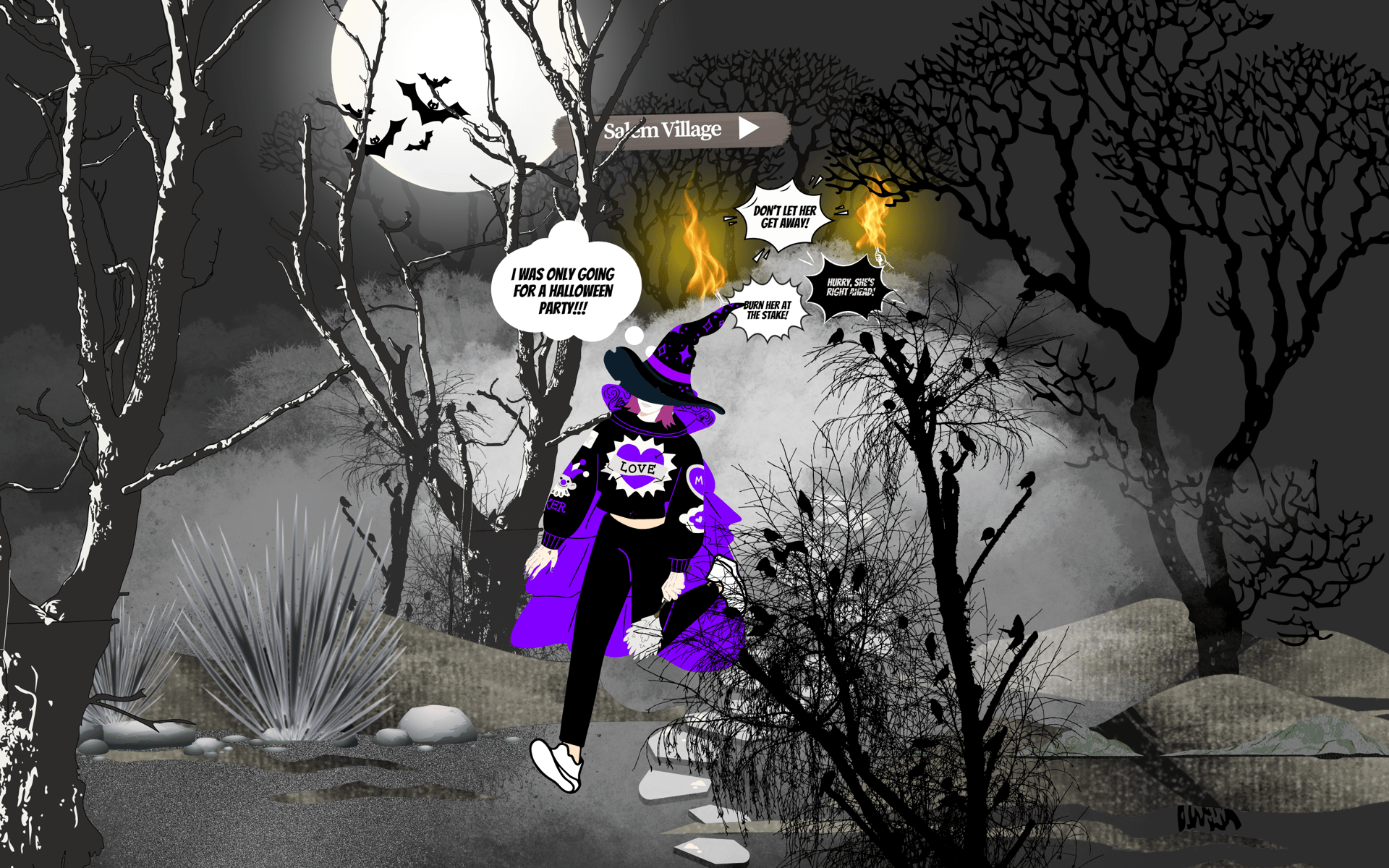
Most people don't like offenders.
These are people at work and personal circles, within our family and even from social welfare groups whose job is to help those in need, ironically.
Most people don't like the family members of offenders too.
Very often, this makes members of the family dislike the offender even more because of the shame brought to them.
Family members who appear in support of the offender are met with disapproval too.
Which is ridiculous.
These statements reflect society's views of offenders.
As the saying goes, "birds of the same feathers flock together", those they closely associate with are viewed in the same light. These are family members and close relations.
Criminal offenders are the most marginalised group. Society is so fixated on what they think offenders are, that they They think we brought all these upon ourselves and will ruin our kids.
These statements reflect society's views of offenders.
But these views do not account for individual circumstances nor fit the context of changing times.
They are based on a stereotype image that does not account for individual circumstances nor fit the context of changing times.
While these events would not kickstart if he did not offend, that is where the responsibility ends for the offender.
In traversing the criminal justice system, every step from the point of arrest is determined by forces much larger than any one person can hope to overcome, let alone the accused party whose autonomy over his life choices are largely gone.
What if I say that it's not really our fault?
As we tailor our attitudes and behaviours according to our beliefs and preferences, they go on to produce real, material and tangible impacts in the lives of those connected with it. This give rise to challenges arising in the lives of offenders, often times causing significant damage. The irony is people are contributing to the very events they criticise about offenders, including their future reoffending.
Families like mine are not uncommon. Every year nearly 10,000 families experience a kin's admission into prison. Almost half of these families will encounter the same family member entering prison again in the future. About
With every five inmates who are parents, one will have a child who commits an offence. The more family members involved in crime, the more likelihood for criminal offending to go down the generational line.
The stereotype of criminal offenders comes from a repeated narrative that has been promoted since time immemorial and affixed deeply into the minds of people.
With every 5 inmates who are parents, 1 will have a child who commits an offence. The more family members involved in crime, the more likelihood for criminal offending to go down the generational line.
Every year nearly 10,000 families experience a kin's admission into prison.
Almost half of these families will encounter the same family member entering prison again before the 5th year of release.
Family members deemed guilty by association.
About 80% of prison inmates are repeat offenders.
Families of offenders pay the price when it's not their crime.
The offenders' contact with the criminal justice system brings serious trouble to the families. It begins from arrest stage and goes beyond the prison release sentence
The stigmatisation of offenders also extend to the family members who are deemed guilty by association.
As intergenerational criminality is a trend, public perception of these families tend to be negative.
What about offenders with no family history of criminality? What accounts for the deviation from the lineage pattern? As majority of youth offenders come from such backgrounds, what can we normal, families What are occurring in the households of youth offenders come from normal family backgrounds.
Why do kids from privilege backgrounds offend, as the numbers are showing an increase? Drug use has
These are the parents, spouses / partners, siblings and children.
When a person's life is affected, the lives of the family and closed ones are affected too.
Discrimination against the offender at home, ie. by family members can be more intense. Family members can be similar to members of the public who disapprove of the offending behaviour, Their association with an offender as a kin can bring about conflicting feelings of shame and resentment.
Those within the family who appear to be in support of the offender can experience discrimination too by these family members.
Matters Of Our Heart exists to set the record straight for offenders and their family members.
Every year nearly 10,000 families experience a family member's admission into prison. Almost half of these families will go through a similar experience again in their lives. With every 5 inmates who are parents, one will have a child who commits an offence, thus the cycle of offending continues to the next generation.
Statistics show the connections but not the causation. Why do ex-offenders return to prison, again and again? Why do the offspring of offenders follow in their footsteps? Is it simply a case of 'bad' genes that predispose them to criminal behaviours?
These drastic changes that affect the families have greater implications for society and deserve a serious look at. Through it, we may uncover problems that have stumped us for so long. Why do people traffic drugs knowing the heavy penalties? Why do youths consume drugs knowing the harms they cause? What is the basis of addiction?
This is a first-hand account, without the filters of competing interests and third party perspectives that have served as propaganda since time immemorial, and unfortunately instructed deterrence and rehabilitation methods.
1
The law concerns everyone. Even if you are a law-abiding citizen. The thing is, most people don't plan to commit a crime. Get equipped with necessary information to make informed decisions before it's too late.
Offenders and their families face overwhelming odds against the criminal justice system.
Family members often suffer in silence, for fear of disclosing their familial ties with an offender
Exorbitant criminal defence fees, exponentially higher for trials, can be financially crippling.
Families of offenders pay the price when it's not their crime.
A series of paradoxes
Families of offenders are shocked by the jarring event. The mental and emotional turmoil persist over a long period of time with considerable challenges to overcome.
Children suffer disrupted attachment when parents / caregivers are taken from them. Younger children are particularly vulnerable.
To add on, change of caregivers, possible housing displacement and in some cases, separation from co-borns is highly destabilising.
This is a form of abandonment trauma and has serious long term negative repercussions, including substance abuse which gets them involved with the criminal justice system.
Family members are in line for a series of shocks that begin with the police arrest. With parents
Criminal conviction leads to career dissolution and void of academic achievements, eroding past efforts and affect state of finances.
Police arrest and lock up.
Impacts family members who suffer financial lack including unmet needs.
Often, they are sought out to contribute to the legal fees which affects their financial state.
Period of financial difficulties is indefinite.
Imprisonment causes forced separation and broken attachment.
Loss of work and income affects financial state.
Cessation of household duties and responsibilities. Long periods of idleness and boredom.
Loss of freedom in almost all aspects results in reliance on family members to provide (because the prison system does not), which includes visitation and communication.
Families face loss of income contribution, further straining their finances.
Disruption in distribution and fulfilment of household duties. Family members take on duties of their incarcerated kin, including obtaining a source of income. The increase in burdens compromise their own duties which could be important academic and work responsibilities.
Again, children are the most vulnerable.
Minimal help options available. Financial aid is challenging to get and even if approved, amount is meagre. Their cluelessness causes retraumatisation.
Post release,
Traumatised, requires time to reintegrate into society and depends on family for support.
Cessation of contribution to household duties and responsibilities.
Prolonged separation to family members cause broken attachment.
Traumatised family members have to uplift ex-offender kin when they are in crisis too.
Family members fulfil requests, again piling onto their own duties,
Prison visitation occurs twice a month. For certain clusters, they are fixed on weekdays office hours, clashing with working and studying family members.
Family members rush to meet timing, predisposing them to accidents along the way. They face increase in transportation cost due to need for hired vehicles, which is concerning due to their financial state.
Financial Losses
Psycho-emotional Wear Down
Remand cause forced and extended separation.
Pre-Conviction
Sentence Ongoing.
Children with parents / caregivers in prison will encounter the debilitating effects mentioned at the remand stage.
Prison visitation is not just crucial for the kin's wellbeing but a show of family support that preferences them for the offender's early release.
Children with parents / caregivers in remand and prison suffer disrupted attachments that have lifelong negative impacts.
With greatly restricted communication between inmates and family members, achieving family cohesion is a struggle.
Marital relationships are strained, leaving the spouse of the offender feeling unsupported, left to managing the family on his/her own.
Much harm is done when children have their parents imprisoned, even worse when they are the main caregivers. They experience abandonment trauma with serious lifelong consequences.
Families of offenders suffer from financial lack that grows as time progresses.
They assume more financial responsibility for the family's needs such as paying legal fees for the offender and acquiring an income. This goes on indefinitely.
However, financially sustaining the family is greatly undermined when fulfilling the obligations pertaining to inmate's wellbeing and the increased burdens with the major load of responsibilities resting on them.
Yet support for these families is abysmal. Hardly are programs implemented to address the needs of these families. In fact welfare agencies are almost scared to lend a hand.
The lack of resources and understanding regarding the unique needs of these families often exacerbate their situation, leading to feelings of isolation and helplessness.
There are 3 stages in the trajectory of an offender. All 3 stages deplete the offender financially; criminal defence expenditure in the pre-trial stage, loss of income in the imprisonment stage and stagnant, low income in the post-release stage.
3 Stages in trajectory of an offender.
Criminal punishment
Families of offenders pay the price when it's not their crime.
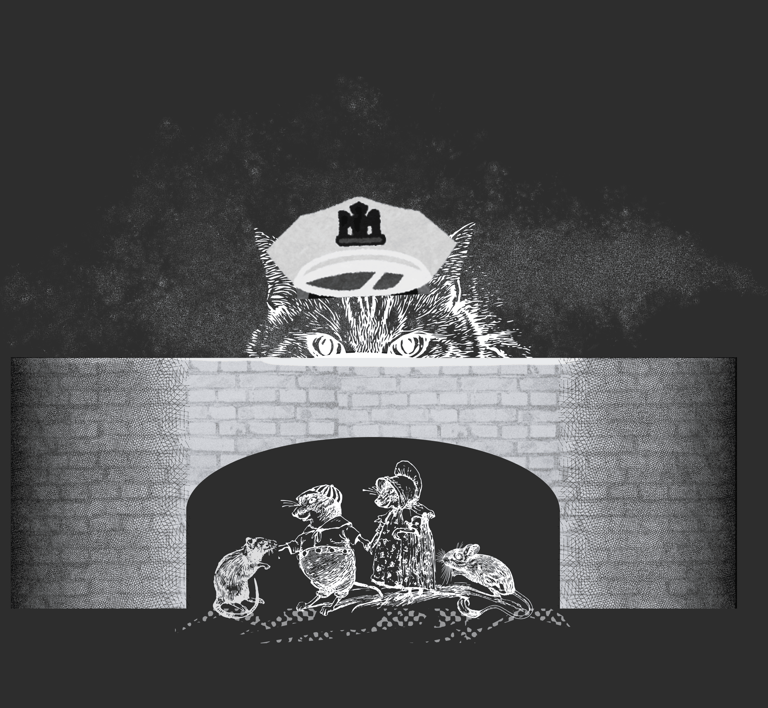
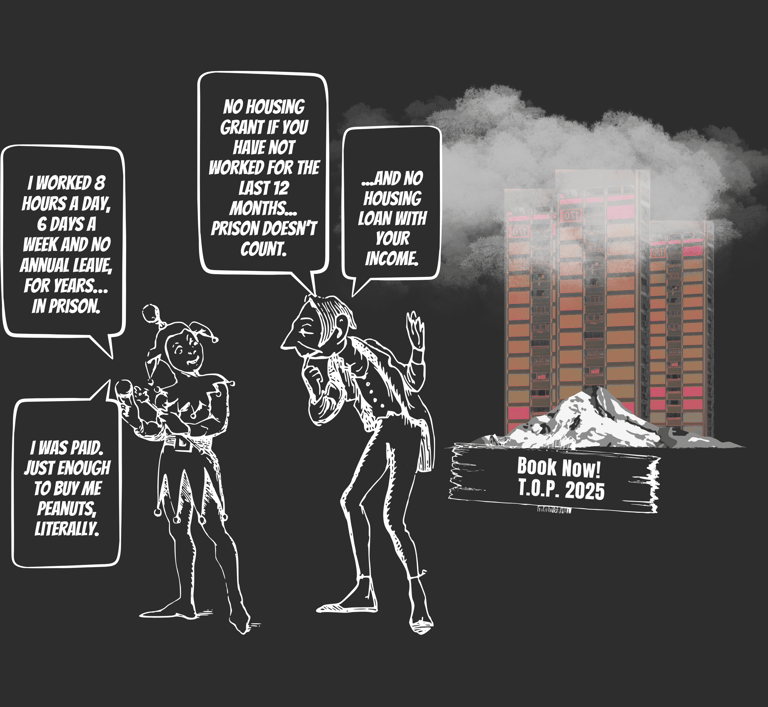
Relationships are impaired yet offenders rely on the kin for lodging. Living in such conditions breed the conditions of return to drug use.
Emotional losses
Financial Dissolution
Excess workload
They experience family upheavals, forced separation, and broken ties. For children, loss of parents / caregivers results in abandonment trauma, disrupting normal development.
The loss of a contributing family member to police remand or a prison term disturbs the distribution of duties in the household, carry serious implications for the family.
Fulfilling prison obligations add onto the workload.
Criminal defence expenditure, loss of income when in prison, receiving a low pay grade that normally accompanies a criminal record, are some ways that can lead a family to financial dissolution.
To be continued...
Yet they can impact our material reality significantly.
Widespread prejudice against offenders is particularly debilitating, engendering stigmatising treatment towards offenders in many areas of their lives. This can undermine their ability to lead a normal life.
Families of offenders are stigmatised and affected in similar ways.
These opinions reflect prejudice against criminal offenders.
It has given rise to widespread stigmatising acts towards offenders, that affect multiple facets of their life.
Families of offenders are deemed guilty just by association. They suffer stigmatisation like their offender kin.
These families usually choose to conceal their identity.
There are family members who resent the offender whose familial ties have subjected them to stigmatisation from others.
They may act out in behave in stigmatising ways towards the offender.
Stigmatisation can be perpetrated by family members to the offender.
Not infrequently, offenders are stigmatised by their family.
Its occurrence is especially damaging as it not only reduces family's support paramount to rehabilitation, it causes challenges too and right in the home.
Opinions are not necessarily based on facts.
What we know about any given situation is mostly influenced by what we hear, see and how we feel about these.
The thing is, many things that we think we know, we actually don't. We get snippets of information, from people and sources that have gotten snippets of information from people and sources... and all of them including us, have our own personal takes on the received coloured and biased
Stigma creates challenges, blocks access to help and support for offenders and their families, contributing to their state.
This multiplies the damaging impacts as it disrupts home life and undermines family support paramount to rehabilitation.
Like a rolling snowball that gains mass over time, they become over-whelming and unmanageable.
Families of offenders are deemed guilty by association.
Death by public opinion.
But tales plucked from the sky don't make for facts.
Nobody likes offenders.
Because criminals are the worst types around and do things like that.
They say as I'm married to him, I must be same like him.
The Irony.
They blame my husband for bringing this mess upon us.
Reduced job opportunities, low and stagnant income, distrusting employers, condescending co-workers, self-righteous family members and so on can be demoralising and disruptive.
Meeting basic needs of food and shelter can become challenging.
When all else fails, seeking the last line of hope ie. social welfare, they attract the same responses.
They suffer its impacts directly, and indirectly, through the offenders whose lives are closely intertwined with theirs.
The irony is that our predicament is contributed by the same people who are faulting us for it.
The more you stress people, the more you entrench them in the addiction.
The prison system does this.
Defence counsels work in the best interests of the client.
A better life begins with my husband's reforming his ways.
Or leaving him.
Admission of guilt equates to actual guilt.

Busting Myths
Criminal offenders are bad.
Prison rehabilitation works.
Family support is well, supportive.
The law is just.
Drug traffickers willingly traffic drugs.
Police are efficient and effective.
Drug abusers are lazy, unable to hold down a job and steal to support their drug habit.
Drug use is the cause of horrible crimes.
(Illegal) drugs take lives.
Prosecutors work in the interest of the public.
Court appointed legal representation is adequate and of good quality.
Prison reforms and rehabilitation is effective.
People who offend have contempt of the law.
Innocence will come to light.
Convictions are always rightful.
Families of offenders are deemed guilty by association.
So they resent the offending kin for the shame of their familial association.
When the law comes down on offenders, their families become collateral damage.
When the law comes down on offenders, their families become collateral damage.
Families of offenders pay the price when it's not their crime.
In the process of punishing the offenders, by stripping them their families are affected to a similar degree
The situation is complex and paradoxical.
Even their own families don't like them.
So they resent their offending kin for the many difficulties brought on by his brush with the law.
Families of offenders forced to offer support when they can't stay afloat.
So they resent their offending kin for the many difficulties brought on by his brush with the law.
When employers and co-workers devalue and exploit offenders.
When rehabilitation services disregard them.